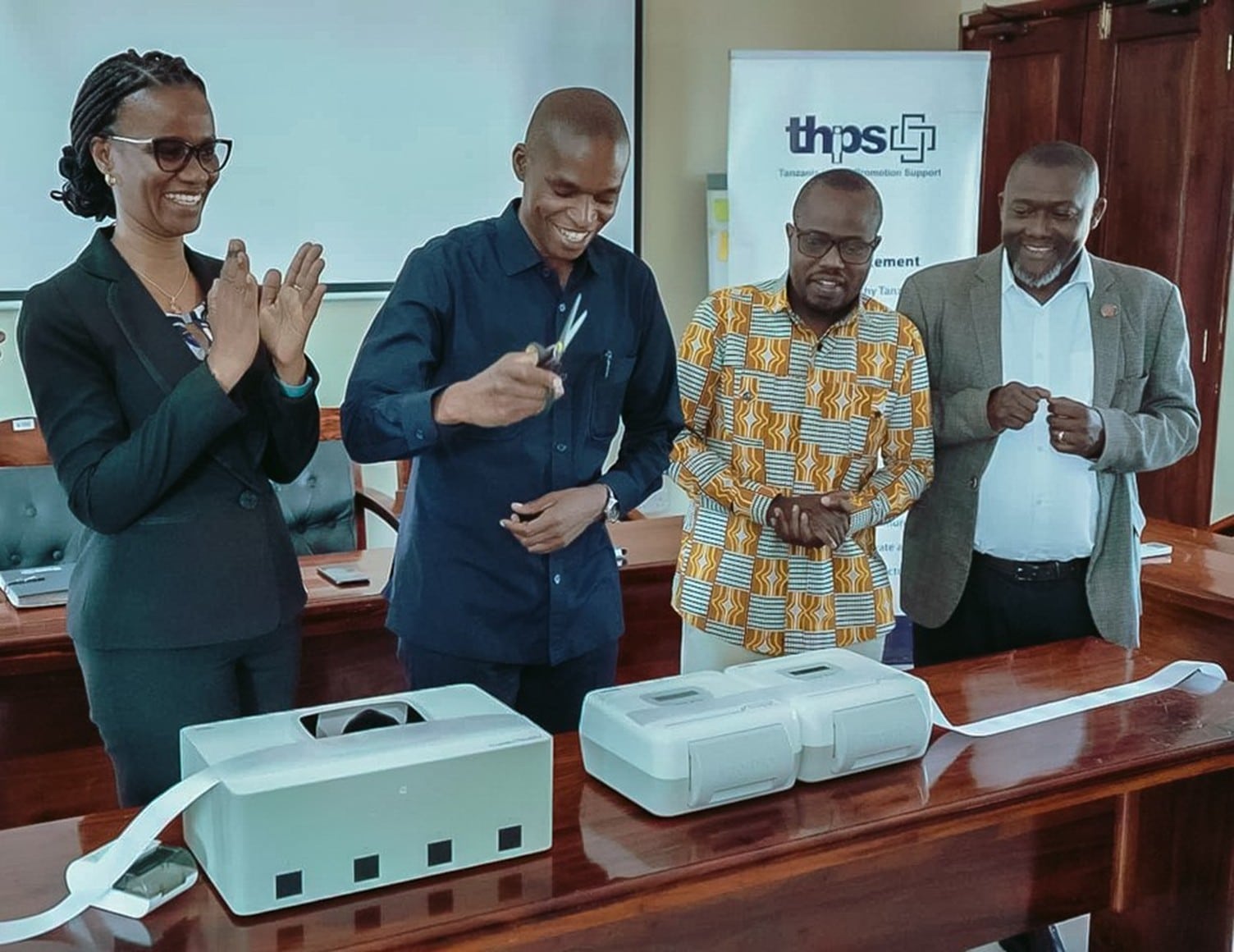
MUHAS–THPS Delegation Strengthens Regional Partnerships at ECSA-HC Conference in Eswatini
A joint delegation from Muhimbili University of Health and Allied Sciences (MUHAS) and Tanzania Health Promotion Support (THPS) participated in the 76th East, Central and Southern Africa Health Community (ECSA-HC) Health Ministers’ Conference, held from 3–5 February 2026 in Ezulwini, Eswatini.
Convened under the theme “Enhancing Health Systems for Equity, Resilience and Sustainability,” the conference brought together more than 400 delegates, including Ministers of Health, Permanent Secretaries, senior government officials, researchers, development partners and youth leaders from across the ECSA region and beyond.
The conference provided an important platform for countries and partners to exchange experiences, share evidence and identify collective approaches to addressing emerging health challenges and strengthening health systems across the region.
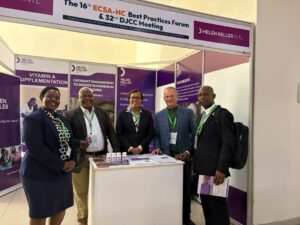
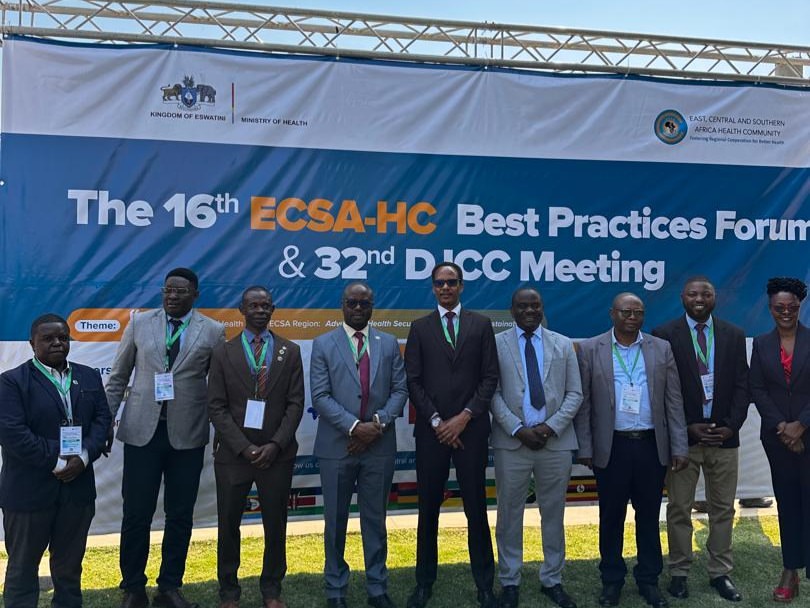
The MUHAS–THPS delegation also participated in technical sessions of the 16th ECSA-HC Best Practices Forum and 32nd Directors’ Joint Consultative Committee (DJCC) Meeting in Manzini. The THPS delegation was led by Director of Monitoring and Evaluation, Christopher Henjewele.
Advancing regional health priorities
Several pre-conference events complemented the main conference, including the inaugural ECSA-HC Regional Youth Summit, which highlighted youth leadership, innovation and intergenerational accountability in building sustainable health systems.
The Health Financing Dialogue on Value for Money, Value for Health brought together senior health officials from 17 Member States. Former President of Tanzania H.E. Jakaya Mrisho Kikwete delivered a keynote address emphasizing the importance of people-centred and sustainable approaches to health financing.
The conference adopted resolutions to guide regional action towards stronger, more equitable and resilient health systems. Key areas of focus included sustainable and innovative health financing; preparedness for health emergencies and climate-related shocks; adolescent, youth and mental health; digital health governance and regional health data systems; and stronger responses to communicable, non-communicable and neglected tropical diseases.
Other priorities included investment in health workforce leadership, skills and retention; promotion of local and regional manufacturing to strengthen health security; and stronger regional alliances and collaboration.
Strengthening partnerships and collaboration
Beyond the technical sessions, the MUHAS–THPS delegation used the conference to strengthen existing relationships and explore new opportunities for regional collaboration.
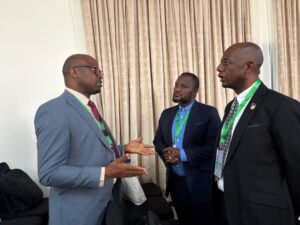
On the sidelines of the conference, the delegation held discussions with Mr. Linton Mchunu, Senior Advisor to the CEO of AUDA-NEPAD, and Dr. Ntuli Kapologwe, Director General of ECSA-HC. The engagements explored opportunities to strengthen ongoing collaboration and identify future areas of partnership with AUDA-NEPAD and ECSA-HC.
The delegation also engaged Dr. Leonard Subi, Executive Director of the Kibong’oto Infectious Diseases Institute, and Dr. Hamad Nyembea, Director of Curative Services at Tanzania’s Ministry of Health. These discussions provided opportunities to exchange experiences and explore areas for collaboration in advancing evidence-based public health programmes and resilient health systems.
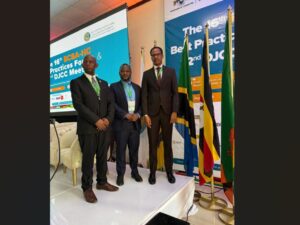
The team further visited the Helen Keller Foundation exhibition booth, where they learned about innovative approaches being applied to advance public health across the region.
From regional dialogue to stronger health systems
Participation in the ECSA-HC meetings provided MUHAS and THPS with an opportunity to contribute to regional health dialogue while building relationships with government institutions, regional bodies and other public health partners.
The engagements also reinforce the importance of translating research, evidence and regional experience into practical approaches that respond to evolving health priorities.
THPS, in collaboration with MUHAS, remains committed to generating and promoting evidence-based research and fostering strategic partnerships that contribute to resilient, equitable and sustainable health systems, strengthen the health workforce and improve health outcomes in Tanzania and across the ECSA region.